Research
Making better launch decisions
How can engineers make launch decisions with limited evidence? I work on safety assessment and probabilistic models that connect what engineers know with what tests show.
Assessing readiness with limited data
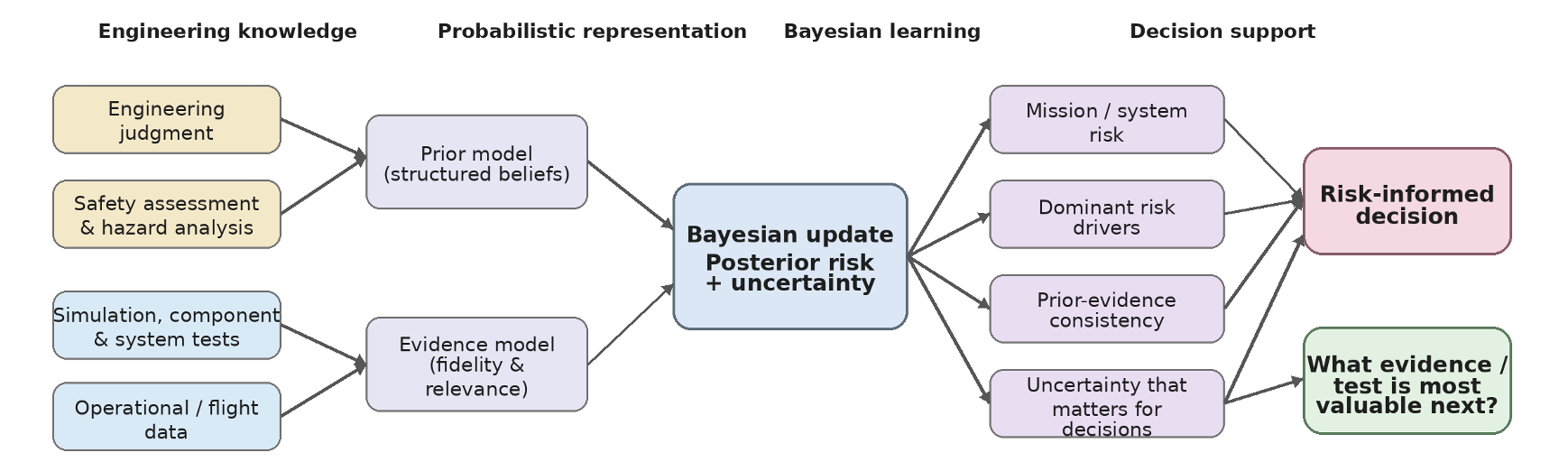
Launch vehicles rarely have enough flight data to estimate reliability directly. My model starts with two sources of evidence: what engineers believe about the system, expressed through structured assessments, and what they observe in tests.
A Bayesian update combines them to estimate mission success probability and uncertainty. The results show the system’s current status, the main areas of concern, and whether test results support or challenge the initial assessment.
I am evaluating the framework with engineers from the Taiwan Space Agency on a turbopump project. My next step is to use the model to identify which additional evidence or test would be most valuable.
Safety assessment for launch vehicles
Aircraft safety assessment methods provide a systematic approach to identifying hazards and deriving safety requirements, but launch vehicles have distinct development and operating contexts.
In collaboration with the Taiwan Space Agency, I adapted functional hazard assessment and preliminary system safety assessment to the MARAHO sounding rocket. The analysis identified more than 100 potential failure conditions and produced vehicle-level safety requirements.
This work showed that structured safety processes can support design and verification, while also revealing a gap: they organize evidence but do not quantify confidence in mission readiness. That gap motivated my Bayesian research.
Rocket propulsion and testing
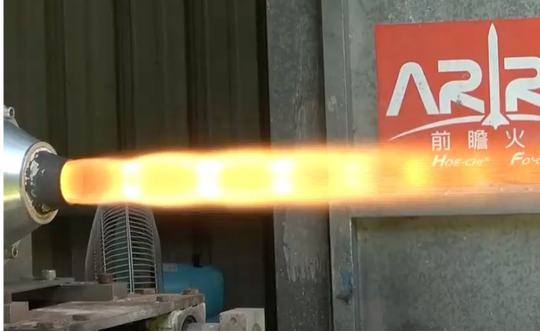
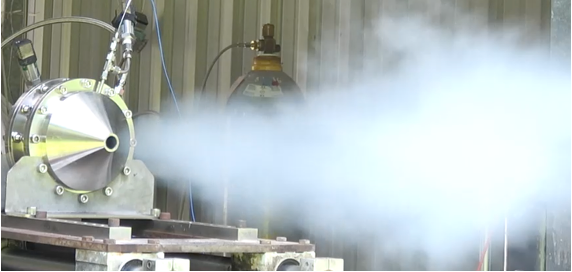
My earlier research modeled how hybrid rocket fuel regression changes with flow conditions and chamber pressure. At the Advanced Rocket Research Center, I designed and tested liquid and hybrid engines and led more than 30 hot-fire tests.
I investigated injector mixing and leakage problems, used test results to improve the designs, and built tools to analyze data after each test.